A Homeowner's Guide to Roofing Warranties in the ACT
A new roof is one of the largest maintenance investments a Canberra homeowner will make. Whether you are replacing worn tiles, installing Colorbond sheeting or repairing storm damage, the warranty attached to the job can matter as much as the materials. A strong warranty protects you from costly surprises. A weak or poorly understood one can leave you paying twice for the same problem.
This guide explains how roofing warranties work in the ACT, what they typically cover, what commonly voids them, and how to compare offers before you sign a contract.
Why Roofing Warranties Matter in Canberra
Canberra's climate is hard on roofs. The city has hot, UV-intense summers, frosty winters with repeated freeze-thaw cycles, strong seasonal winds and occasional severe hailstorms. Together these put stress on fixings, flashings, sealants and roof coatings. Many roofing failures appear years after installation, so a warranty is your main protection against problems that only emerge with time.
Older Canberra suburbs also contain homes with legacy roofing materials, including asbestos cement sheeting, which adds complexity when roofs are repaired or replaced. A clear warranty and a properly licensed contractor are especially important on these jobs.
The Two Main Types of Roofing Warranty
Most roofing projects involve two separate warranties. They protect against different risks and are issued by different parties.
Workmanship Warranty
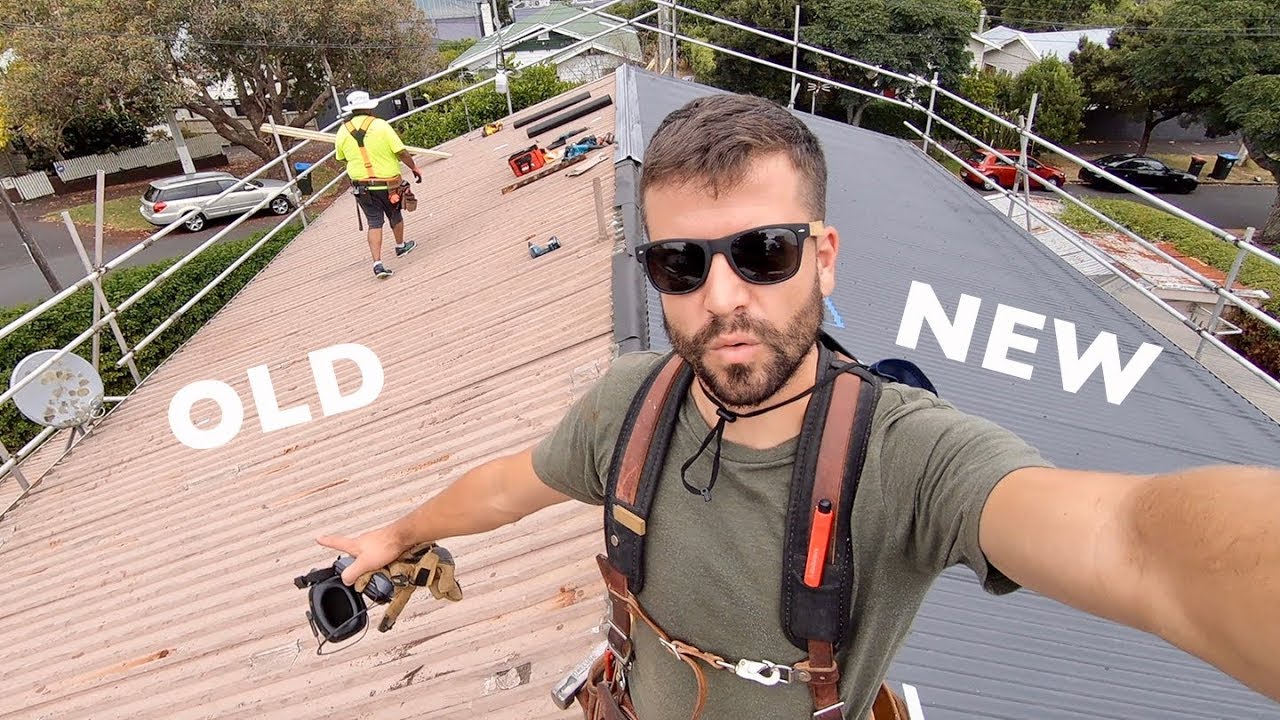
A workmanship warranty comes from your roofing contractor. It covers faults caused by installation, such as leaks from poorly sealed flashings, incorrectly fixed sheets or tiles, inadequate sarking or insulation installation, and badly installed gutters or valleys. Workmanship warranties vary widely in length, so always check the term in writing. A reputable contractor will stand behind their work for a meaningful period and will state this clearly in the quote or contract.
Manufacturer (Product) Warranty
A manufacturer's warranty comes from the company that makes the roofing material. It generally covers defects in the product itself, such as premature corrosion perforation in steel roofing, or manufacturing faults in tiles. Warranty periods for steel roofing and tile products can run for many years, sometimes decades, but the details differ by product and environment.
Manufacturer warranties usually carry conditions. These can include installation to the manufacturer's specifications, use of compatible fixings and accessories, regular cleaning and maintenance, and limits on exposure to certain chemicals or environments. A long headline warranty does not mean everything is covered. Read the fine print and ask for the full warranty document for your specific product.
Your Legal Protections in the ACT
Beyond any warranty a contractor or manufacturer offers, ACT homeowners have protections under the law. These sit alongside, not instead of, written warranties.
Australian Consumer Law
Under the Australian Consumer Law, services must be provided with due care and skill, be fit for the purpose you made known to the contractor, and be completed within a reasonable time if no date is agreed. Products must also be of acceptable quality. These consumer guarantees apply automatically and cannot be signed away by a contract clause.
ACT Building Legislation and Statutory Warranties
Residential building work in the ACT is governed by the Building Act 2004 and the Construction Occupations (Licensing) Act 2004. These laws include licensing requirements and obligations relating to defective work. Depending on the scale and nature of the job, building approvals, home warranty insurance and statutory defect liability periods may apply. Smaller repair jobs may fall outside some of these requirements, while large re-roofing or structural roof work is more likely to be caught.
Because thresholds and requirements can change, confirm the current rules with Access Canberra before you start. This is particularly important if your roof work forms part of a larger renovation or extension.
Home Warranty Insurance
Home warranty insurance is different from a workmanship warranty. It is a form of insurance that can protect you if a builder dies, disappears or becomes insolvent and cannot fix defective work. If your job requires it, ask for the certificate of insurance before paying a deposit and keep a copy with your records.
What Roofing Warranties Commonly Exclude
Understanding exclusions is just as important as knowing the warranty length. Common exclusions include:
- Storm and hail damage: Damage caused by severe weather is normally an insurance matter, not a warranty claim. Check that your home insurance covers hail and storm damage.
- Lack of maintenance: Blocked gutters, built-up debris, moss or lichen growth and ignored minor leaks can void or reduce coverage.
- Unauthorised alterations: Installing solar panels, antennas, skylights or air conditioning units without following the warranty requirements can affect your coverage.
- Foot traffic damage: Damage from other trades walking on the roof or working on it is rarely covered.
- Movement in the building: Cracking or movement caused by structural settlement or poor drainage around the home may fall outside roofing warranties.
- Normal wear and tear: Gradual fading, weathering and ageing are generally not considered defects.
Solar Panels, Skylights and Your Warranty
Rooftop solar is common across Canberra, and 2026 sees continued interest in home batteries and electrification. Penetrations for solar mounting rails, skylights and roof vents are potential leak points. If you plan to install solar, use a qualified installer who follows the roofing manufacturer's guidelines, and ask your roofer whether this affects your warranty. Keep written confirmation if you can, and make sure the solar installer is also providing a written warranty on their roof penetrations.
Asbestos and Older Roofs
Many Canberra homes built before the mid-1980s may contain asbestos in roofing materials, eaves or other building elements. Removal and disposal of asbestos must be carried out in line with ACT work health and safety requirements, and in many cases by an appropriately licensed removalist. If your roof may contain asbestos, arrange testing before work begins. A roofer who ignores this risk is not just endangering health but may also create problems with warranties and insurance.
How to Compare Roofing Warranties Before You Sign
When you collect quotes, do not look at price alone. A cheaper quote with a short or vague warranty can cost more over the life of the roof. Use the following steps to compare offers properly.
- Check the licence. Verify the contractor's licence and any relevant plumbing or building credentials on the Access Canberra register.
- Request the warranty in writing. It should state the length of coverage, what is covered, what is excluded and how to make a claim.
- Ask for the manufacturer's warranty documents. Confirm the product name, colour, thickness and any environmental conditions that apply.
- Confirm insurance. Ask for evidence of public liability insurance and, where required, home warranty insurance.
- Clarify the claims process. Find out who you contact, how quickly they respond and whether call-out fees apply.
- Check transferability. If you sell your home, a transferable warranty can add value and reassure buyers.
- Review the contract. Make sure the warranty terms in the quote match the written contract.
Protecting Your Warranty After the Job Is Done
Your obligations do not end when the roofer leaves. To keep your warranty valid and your roof performing, take these practical steps:
Keep Thorough Records
Store the contract, invoice, warranty certificates, product details, building approvals and any inspection reports in one place. Take dated photos of the finished roof. If you ever need to make a claim, this paperwork makes the process much easier.
Schedule Regular Inspections and Maintenance
Have your roof inspected periodically, and after severe storms or hail. Clean gutters regularly, particularly if your property has overhanging eucalypts, which are common across Canberra and drop leaves and bark year-round. Remove debris from valleys and keep a record of maintenance work.
Act Quickly on Problems
If you notice a leak, lifted sheet, cracked tile or stained ceiling, report it promptly in writing. Delays can make damage worse and give the warrantor grounds to dispute a claim. Photograph the problem and keep copies of all correspondence.


What to Do If a Warranty Claim Is Refused
If your contractor does not respond or disputes your claim, start by writing to them with a clear description of the defect, supporting photos and a reference to the warranty terms. If the issue remains unresolved, you can seek help from Access Canberra, which regulates building and https://canberraroofrestorationexperts.com.au/painting-sealing/ construction occupations in the ACT. For unresolved disputes, the ACT Civil and Administrative Tribunal (ACAT) may be able to assist. An independent roof inspection report can strengthen your case by identifying the cause of the problem.
Choose a Roofer Who Stands Behind Their Work
The best roofing warranty is backed by a contractor who is licensed, insured, transparent and likely to still be in business years from now. Ask questions, read the documents carefully and be wary of anyone who is reluctant to put promises in writing. A thorough, well-explained warranty is a sign of a professional who is confident in the quality of their work.
If you are planning a roof repair, restoration or replacement in Canberra, take the time to compare warranties as carefully as you compare prices. Doing so protects your home, your budget and your peace of mind for years to come.
Canberra Roof Restoration Experts
(02) 6105 9817